
Why Add a Base?
A proper base is the backbone of your artificial turf installation. It provides stability, ensures proper drainage, and creates a smooth, level surface for your turf to shine. In this step, you’ll spread and compact a base material like class 2 road base, and optionally add protective layers like gopher wire or weed barrier. Our guide will walk you through the process, recommend the right tools and materials, and share tips to make your DIY project a success.
At turfinstall.com, we’re your ultimate resource for artificial turf projects. Need help or supplies? Our team at Idaho Turf Supply in Boise, Idaho, can provide high-quality materials or connect you with professional installers. Let’s get started!
Base Materials Breakdown
Read through our Base Materials breakdown to understand which material to choose before you start.
Materials You Need
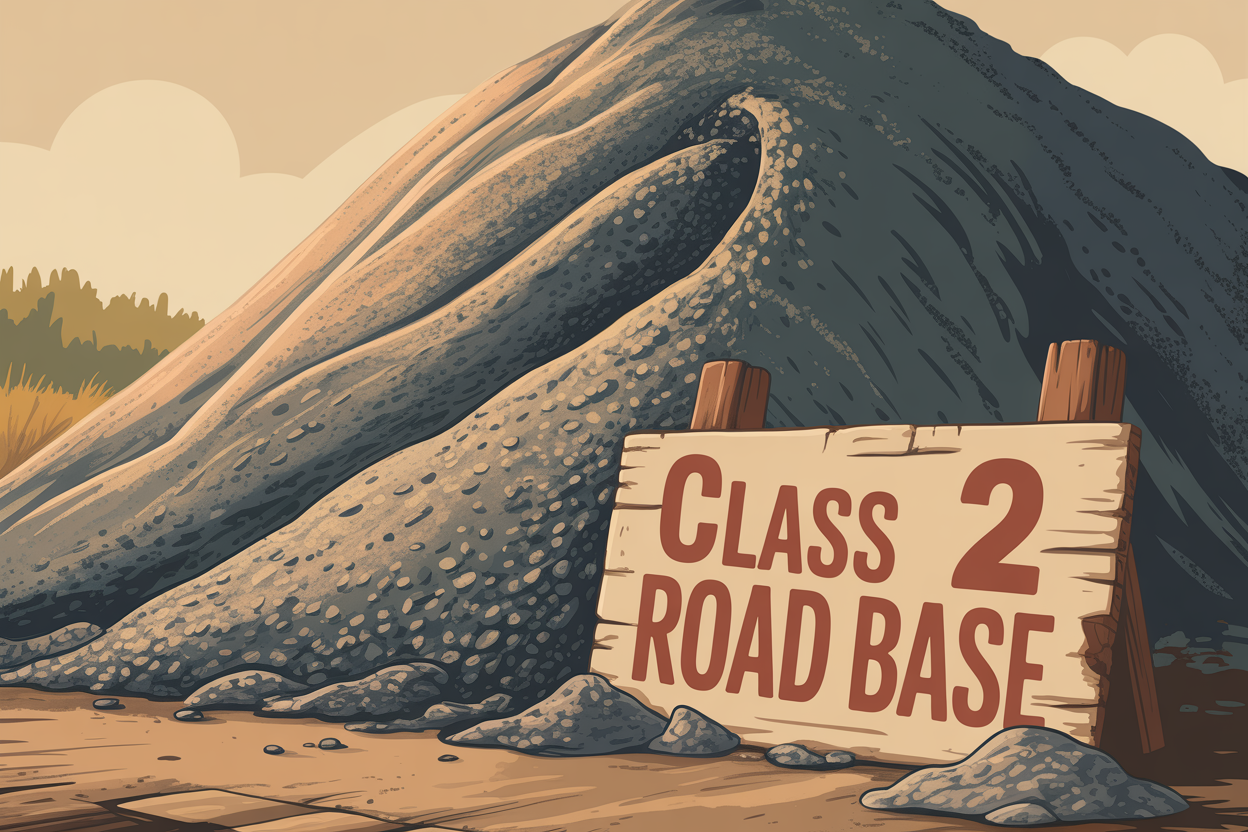
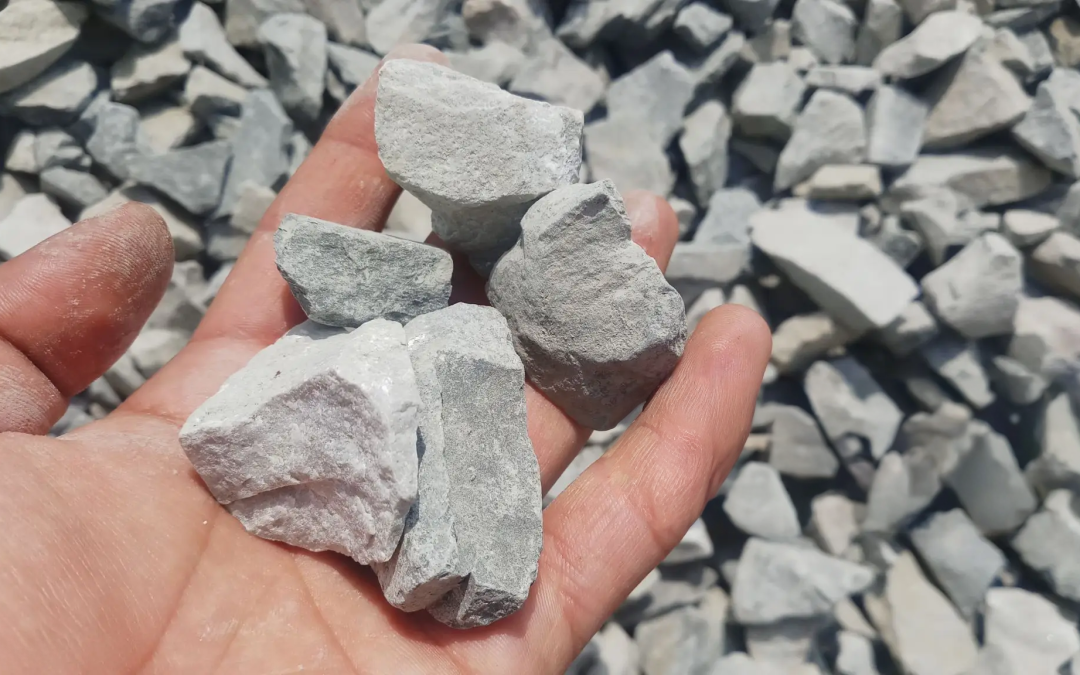
Class 2 Road Base
A compactable aggregate that forms a stable, well-draining base. Aim for 3 inches of depth. While class 2 road base works for most installations you need to consider your specific needs. Click to find out more.
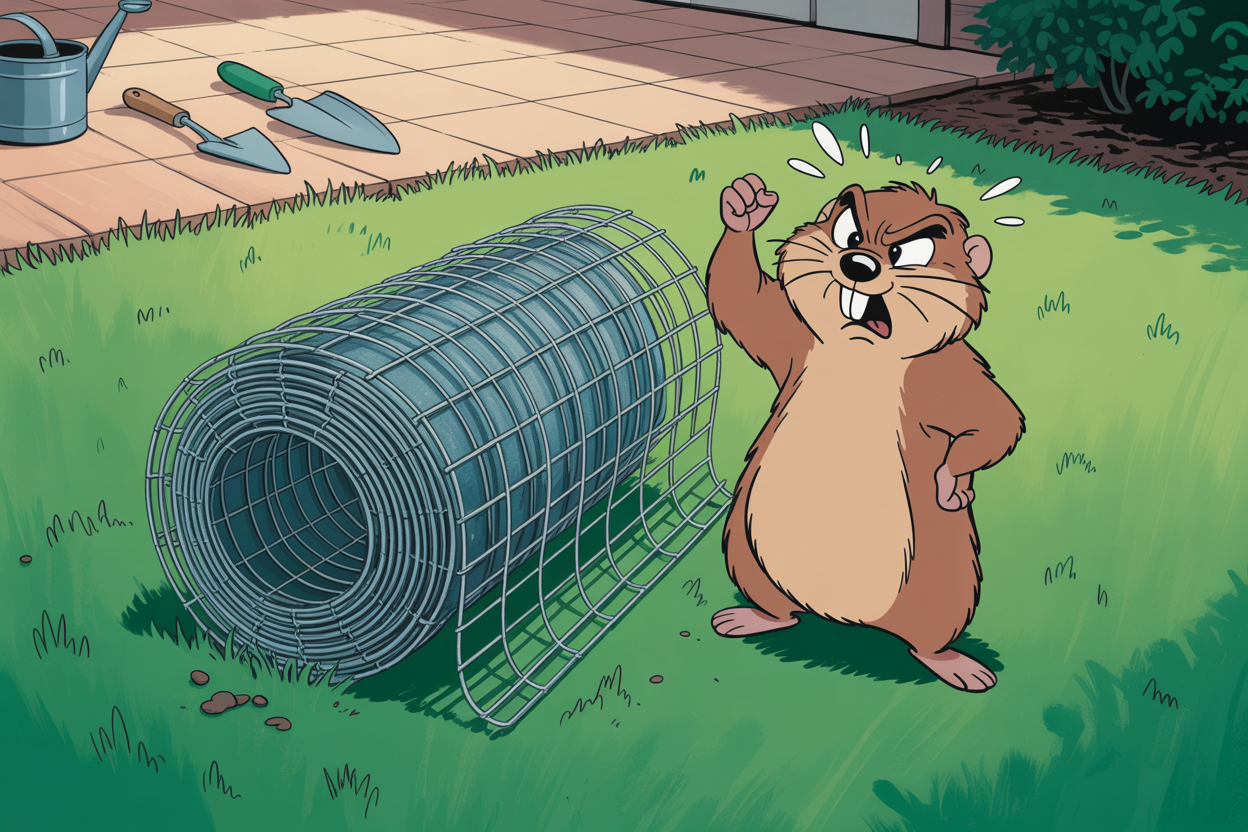
Gopher Wire (optional)
Metal mesh to prevent gophers and pests from digging through your turf. Most projects will not need gopher wire and we do not recommend it unless you absolutely do need it.
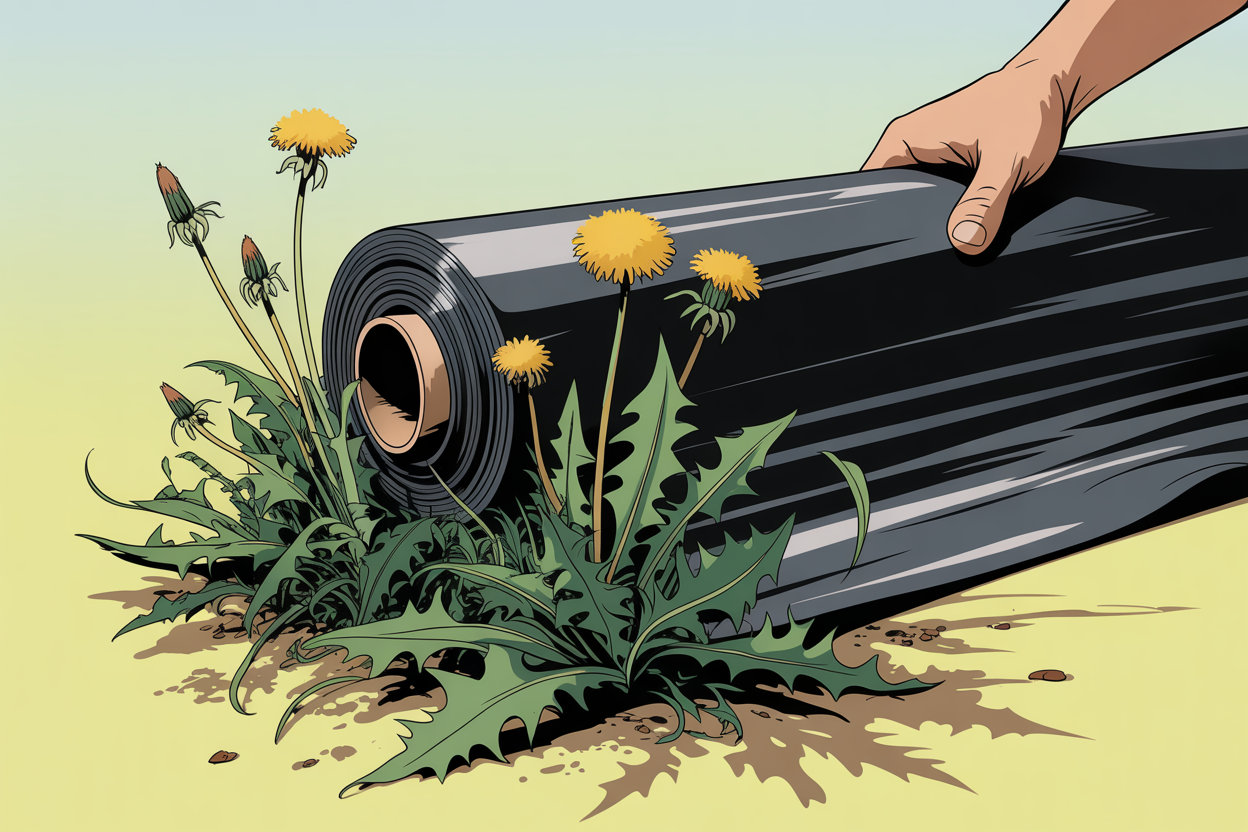
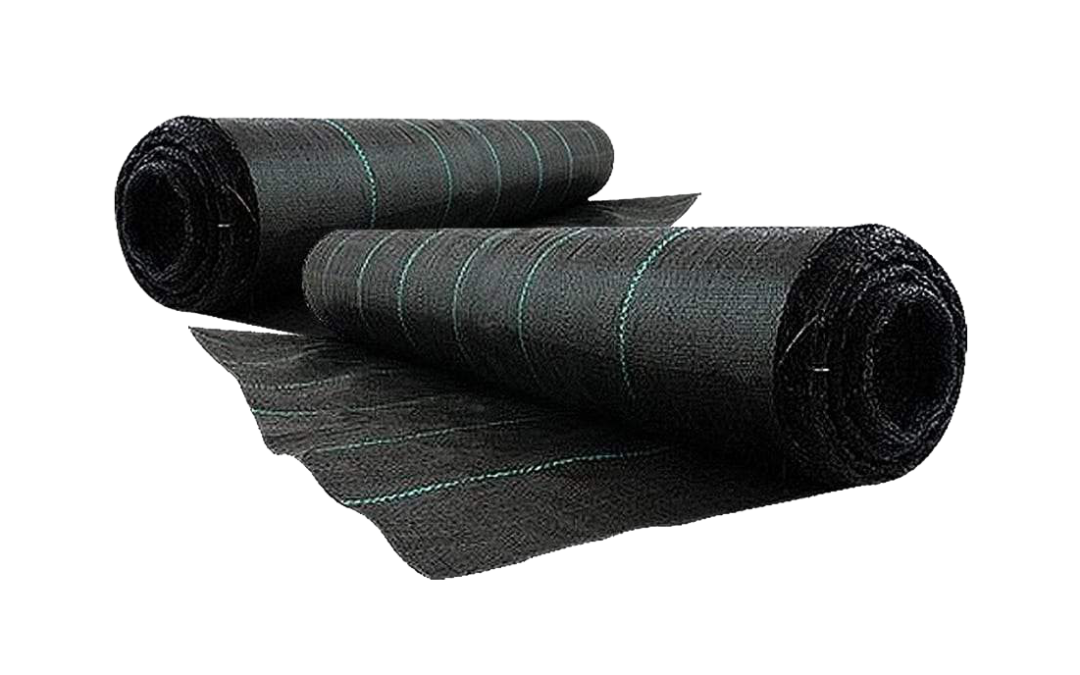
Weed Barrier (optional)
Fabric to block weed growth. Avoid if you have pets, as it can trap odors. We usually don’t recommend this unless you absolutely need it.
Tools You Need
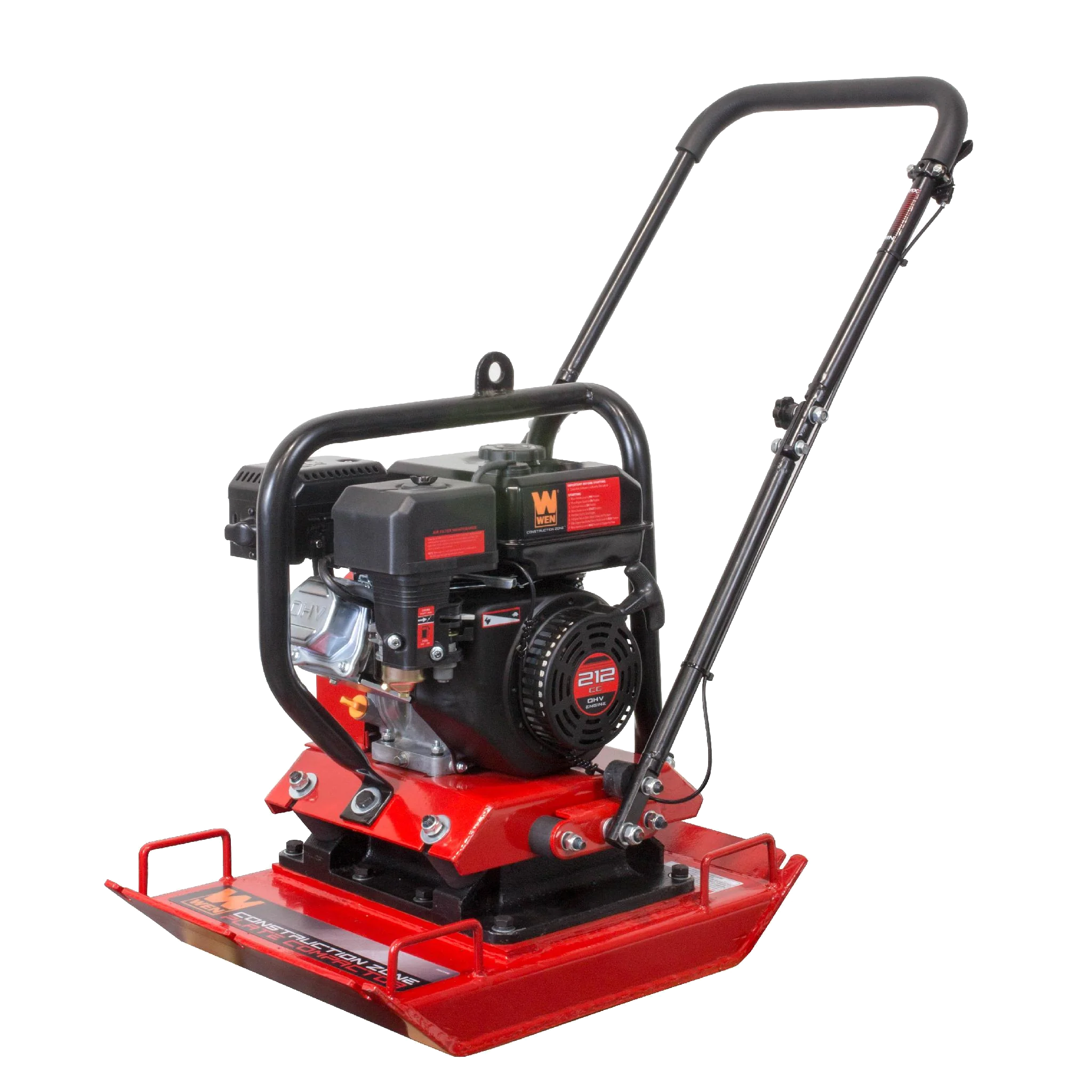
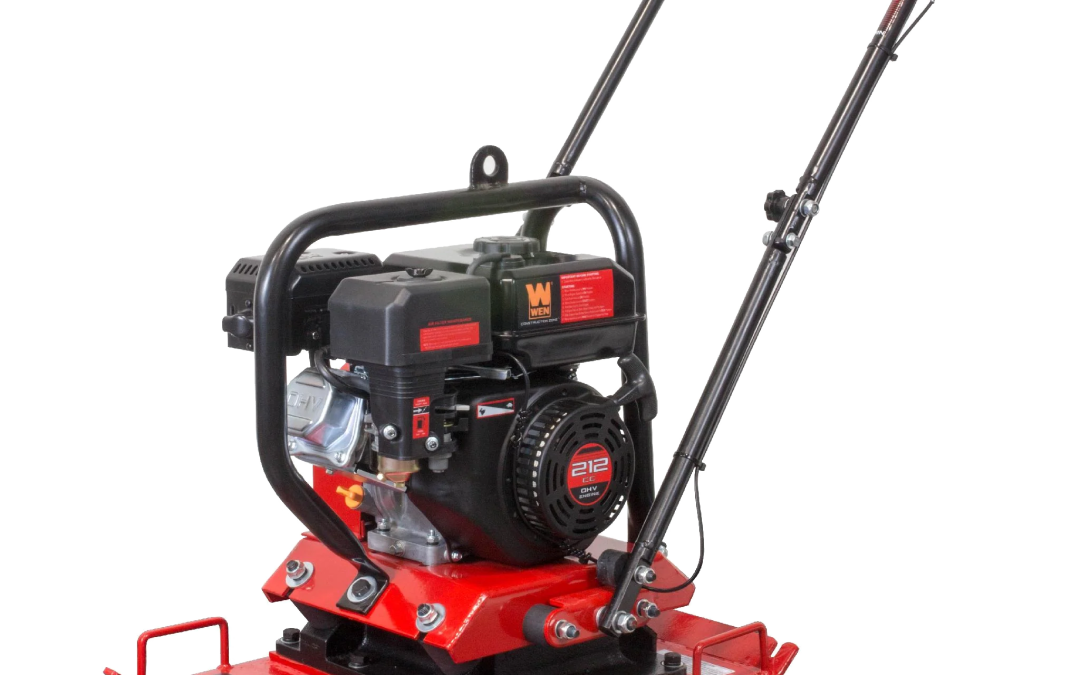
Plate Compactor
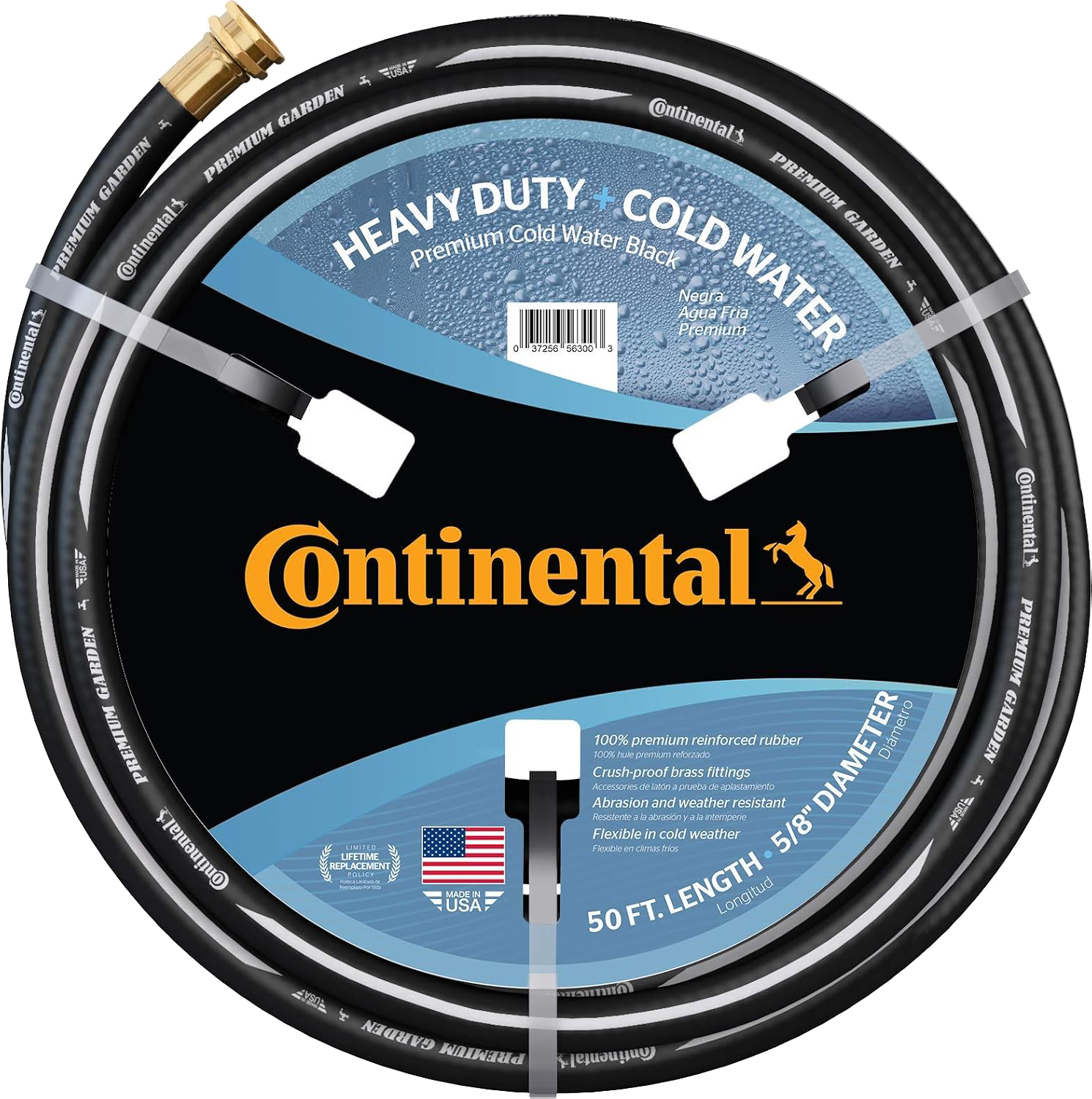
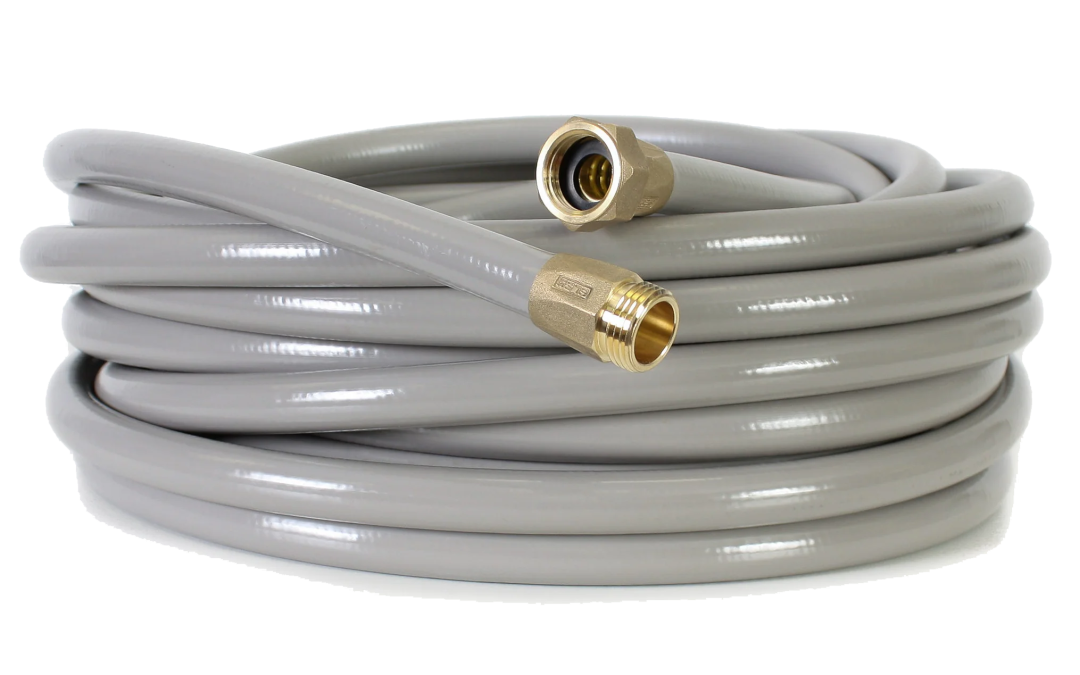
Garden Hose
Used to lightly wet the base before compaction for better settling.
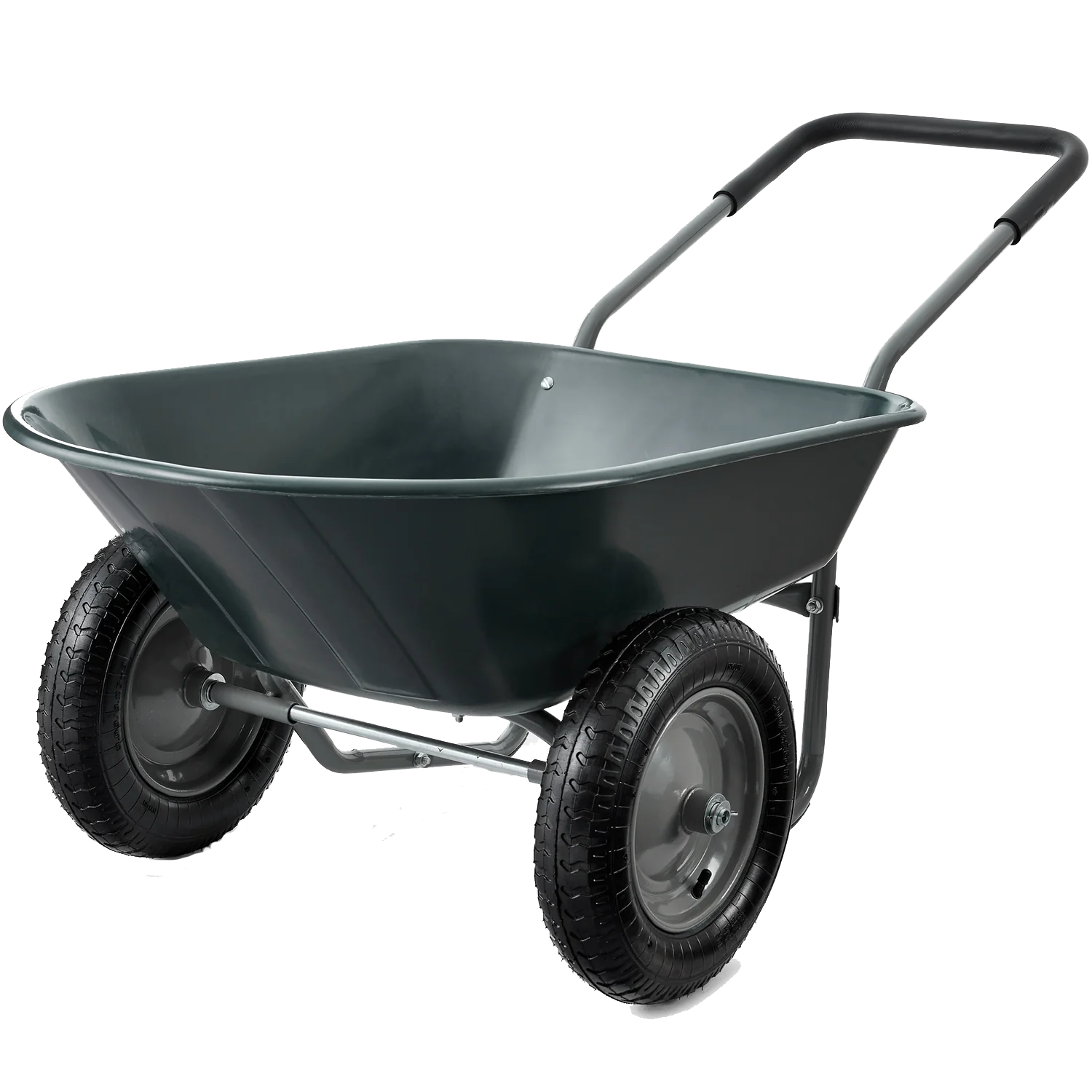
Wheelbarrow
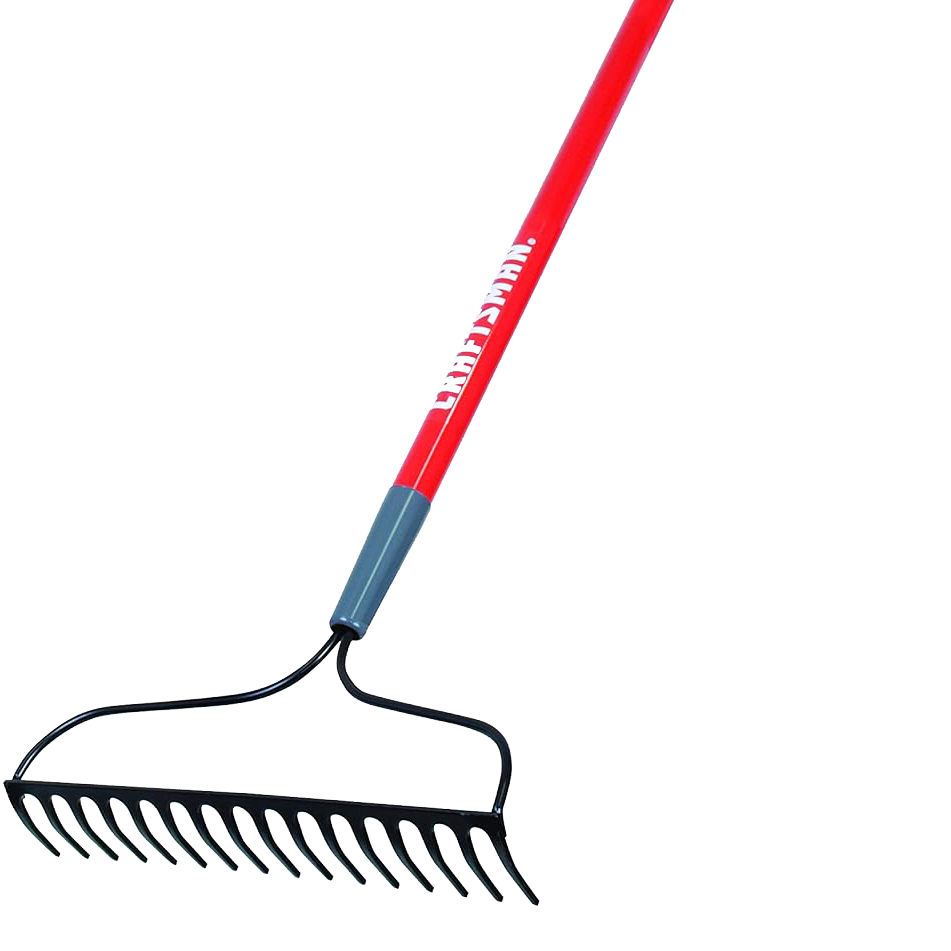
Rake
A heavy-duty rake helps smooth the surface and remove small debris after digging.
How to Add the Base
Prepare the Area
Ensure the grass and topsoil have been removed to a depth of about 4 inches, as outlined in our Grass Removal guide. The surface should be clear of debris and relatively level.
Lay Protective Layers (Optional)
If using gopher wire, roll it out over the cleared soil, overlapping seams by 6 inches and securing with landscape staples every 2–3 feet. For weed barrier (not recommended for pet owners), lay it similarly, ensuring no gaps. Cut around obstacles like trees or borders.
Spread the Base Material
Use a wheelbarrow to transport the base material to the site. Spread it evenly with a rake to a depth of 3 inches. Work in small sections to maintain consistency, checking the depth with a tape measure.
Level the Base
Use a rake to smooth the surface, ensuring the base is level. Check for high or low spots with a straightedge or level. Proper leveling prevents uneven turf and drainage issues.
Lightly Wet the Base
Use a garden hose to lightly mist the base material. This helps the material settle and compact more effectively. Avoid overwatering, which can create mud.
Compact the Base
Rent a plate compactor and run it over the base in overlapping passes until the surface is firm and smooth. Make multiple passes, checking for soft spots. A well-compacted base ensures long-term stability.
Base Install Videos
Optional Equipment
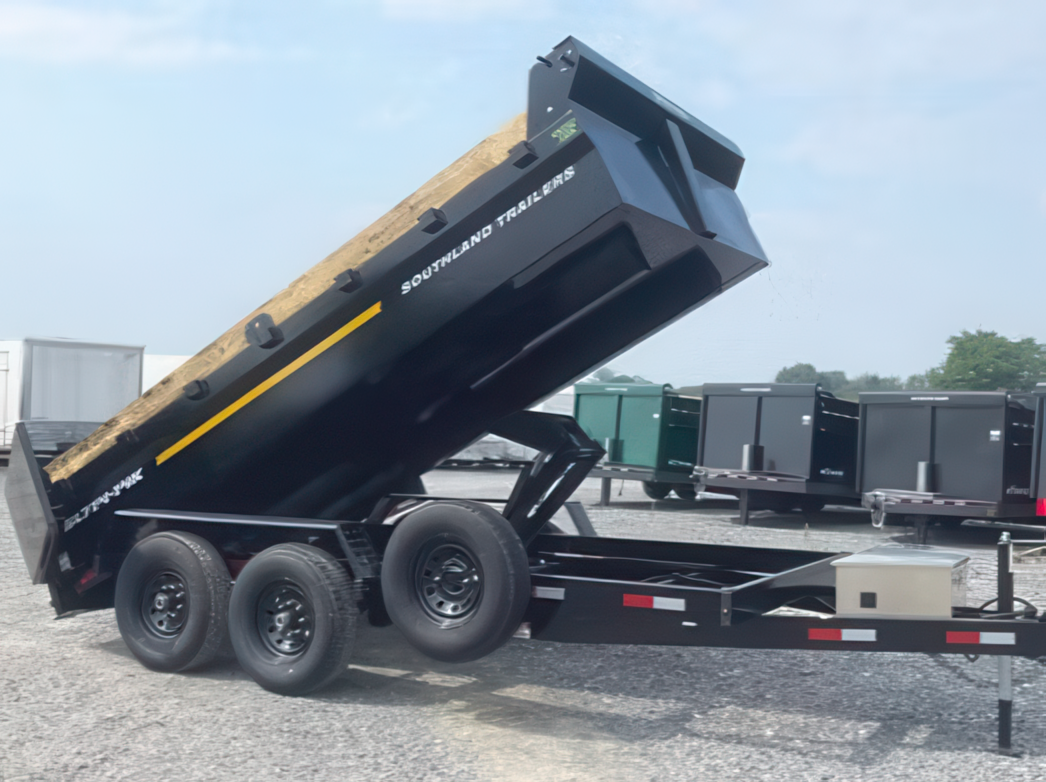
Dump Trailer
A dump trailer is a game-changer for efficiently disposing of the grass and soil you remove during your turf project. Capable of holding large volumes of debris, it saves time compared to multiple trips with a wheelbarrow. To tow a dump trailer, you’ll need a vehicle with sufficient towing capacity, such as a pickup truck or a heavy-duty SUV. Check the trailer’s Gross Vehicle Weight Rating (GVWR), typically 5,000–14,000 lbs for common dump trailers, and ensure your vehicle’s towing capacity matches or exceeds it. You’ll also need a compatible hitch: a 2-inch or 2-5/16-inch ball hitch is standard for most dump trailers, along with a 7-pin electrical connector for brake lights and signals.
Don’t own a dump trailer? Rent One From Us
Tools & Materials
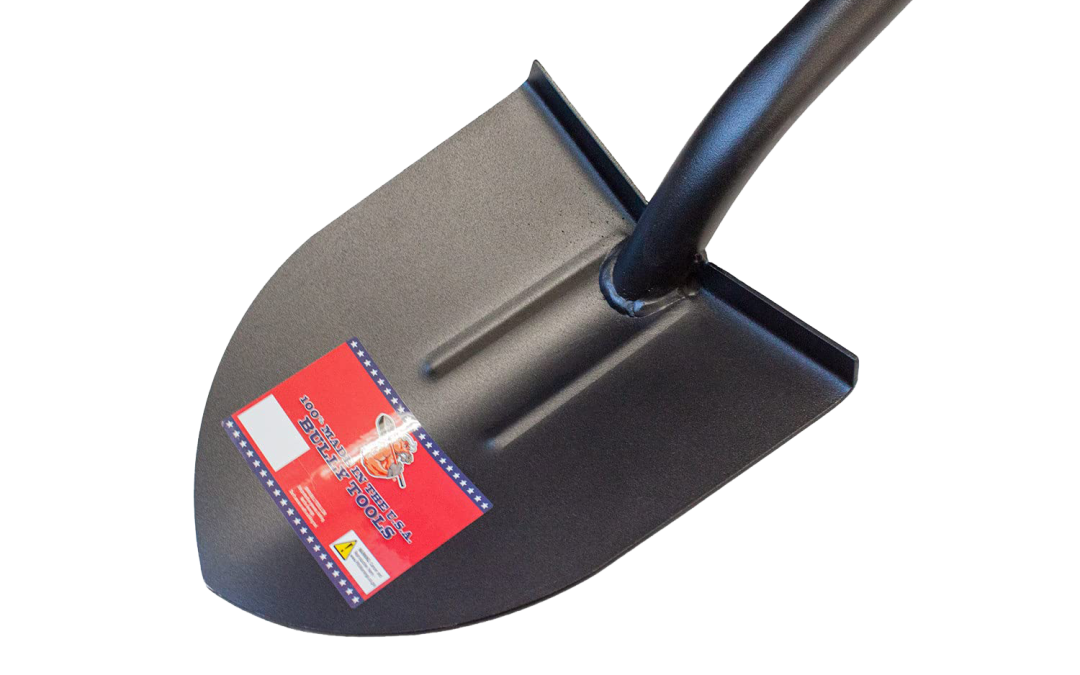
Top 10 Landscaping Shovels
Preparing your yard for artificial turf installation requires the right tools, and a high-quality shovel is essential for tasks like removing grass and spreading base materials, as outlined in the Private-Label Install Guide. At turfinstall.com, we recommend top shovels like the durable Bully Tools 12-Gauge Round Point Shovel for digging…
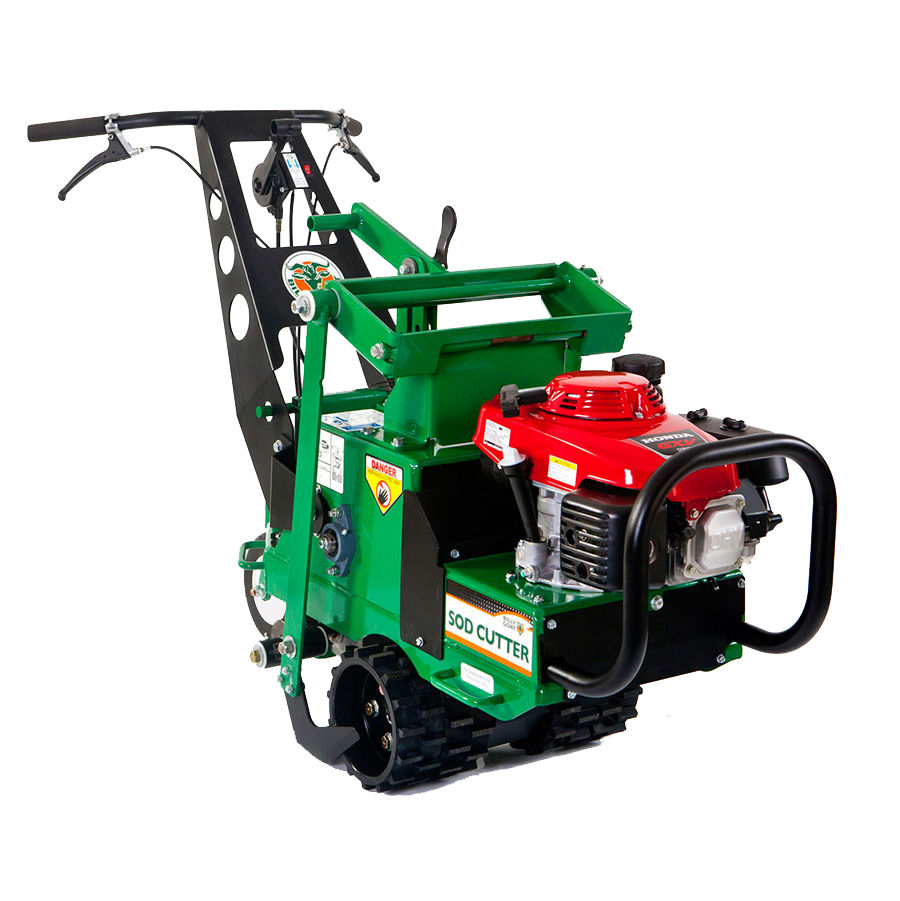
Top Sod Cutters
Preparing for an artificial turf installation starts with choosing the right sod cutter to create a smooth, level base. Our latest article at turfinstall.com reviews the top sod cutters for 2025, including the Classen PRO Hydro-Drive, Billy Goat SC181H, and KisCutter, highlighting their features and suitability for DIY and professional…
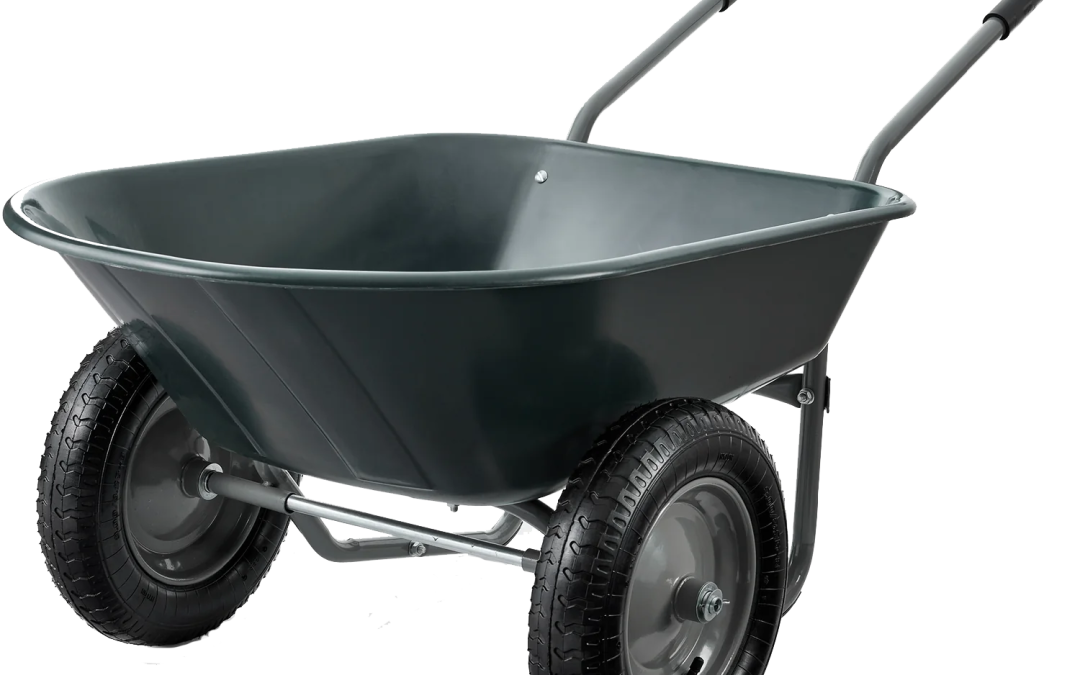
Best Wheelbarrows
When selecting a wheelbarrow for artificial turf installation, prioritize high weight capacity, multi-wheel stability for uneven terrain, durable materials, and user-friendly features like comfortable handles or quick-release dumping. These factors ensure efficiency and ease during your project.
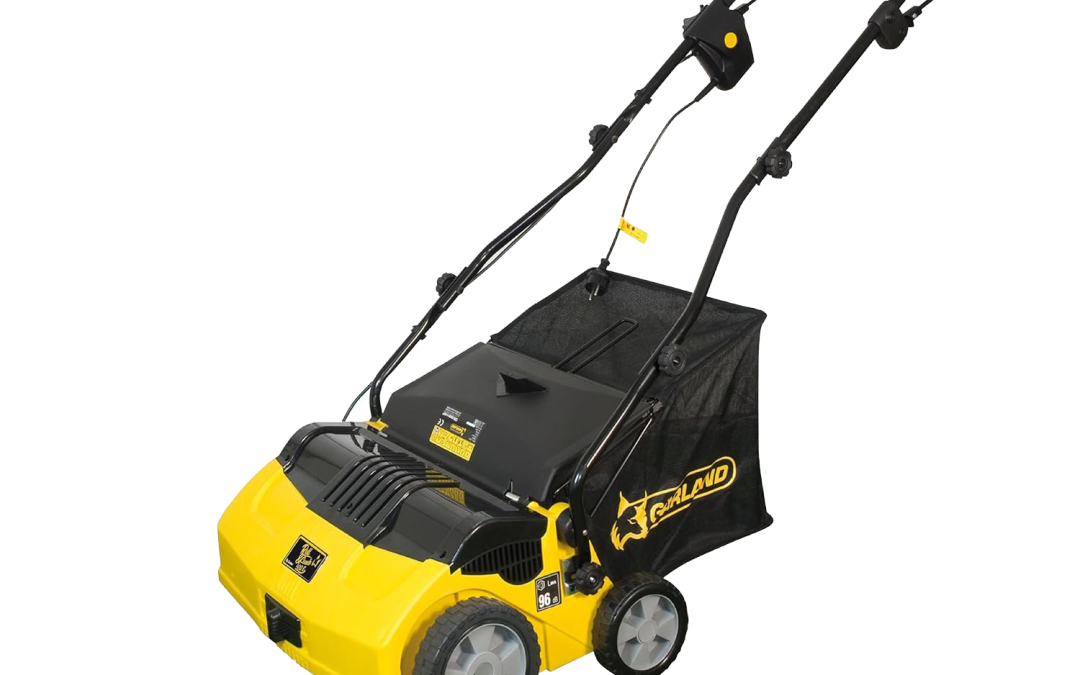
The Best Rakes
Choosing the right rake for your artificial turf project is vital for achieving a professional finish and maintaining long-term performance. From the versatile TurfHub Turf Rake to the powerful Duralawn Artificial Grass Power Rake, these tools cater to a range of needs, ensuring your turf stays pristine. Visit turfinstall.com for…
Top Plate Compactors
A high-quality plate compactor is a must-have tool for anyone installing artificial turf, whether for a residential backyard in Boise or a commercial sports field. By choosing a compactor with the right compaction force and features, you can ensure a stable, long-lasting sub-base that enhances the beauty and functionality of…
Best Garden Hoses
Investing in a high-quality garden hose is a small but significant step toward a successful artificial turf installation. By choosing a hose that matches your project’s size, terrain, and budget, you can ensure a smooth installation process, saving time and effort.
Top Weed Barrier Products
Selecting the right weed barrier is a critical step in achieving a weed-free, low-maintenance artificial turf installation. Whether you’re a homeowner tackling a DIY project or a contractor seeking professional-grade materials, these products provide reliable solutions to keep your turf looking its best.
Base Materials for Artificial Turf Installation
Selecting the right base material for your artificial turf installation is a foundational step that impacts the performance, appearance, and durability of your synthetic lawn. Crushed Miscellaneous Base offers affordability for residential projects, Class II Road Base provides unmatched stability for high-traffic areas, and Decomposed Granite delivers a smooth, permeable…