
Top Plate Compactors for Artificial Turf Installation
Artificial turf installation is a meticulous process that demands precision, especially when preparing the sub-base. A stable, well-compacted foundation—typically made of crushed rock or gravel—is critical to ensuring the turf remains even, durable, and properly drained. Without proper compaction, issues like uneven surfaces, wrinkles, or poor drainage can compromise the turf’s appearance and longevity. A plate compactor is an indispensable tool for this task, compressing the sub-base to create a solid foundation that supports the turf for years to come. For those embarking on a DIY project or managing a professional installation for TurfInstall.com, selecting the right plate compactor is key to achieving professional-quality results.
This article highlights four top plate compactors ideal for artificial turf installation, chosen based on their performance, features, and suitability for landscaping projects. Each model offers a balance of power, ease of use, and durability, making them excellent choices for both DIY enthusiasts and professional installers in Boise, Idaho, and beyond. Below, we detail their specifications, features, and why they’re well-suited for artificial turf projects, ensuring your installation meets the high standards promoted by TurfInstall.com.
The Importance of Compaction in Artificial Turf Installation
Proper compaction is the cornerstone of a successful artificial turf installation. According to industry experts, a sub-base must achieve at least 80% compaction to provide a stable surface that prevents settling due to foot traffic, water intrusion, or wear and tear (Synthetic Grass Warehouse). Without a firm base, the turf may develop depressed areas, mounds, or wrinkles, leading to an unprofessional appearance and reduced lifespan. Plate compactors are designed to compress granular materials like sand, gravel, or crushed rock, creating a smooth, unmovable sub-base that ensures the turf performs well in all weather conditions (Purchase Green).
For artificial turf, the Interlocking Concrete Pavement Institute (ICPI) recommends using compactors with a force below 5,000 lbs to avoid damaging delicate materials, often with a rubber mat or pad for added protection (Bob Vila). The following compactors meet these criteria and offer features that enhance their usability for turf installation projects.
Plate Compactors for Artificial Turf Installation
WEN 56035T Plate Compactor
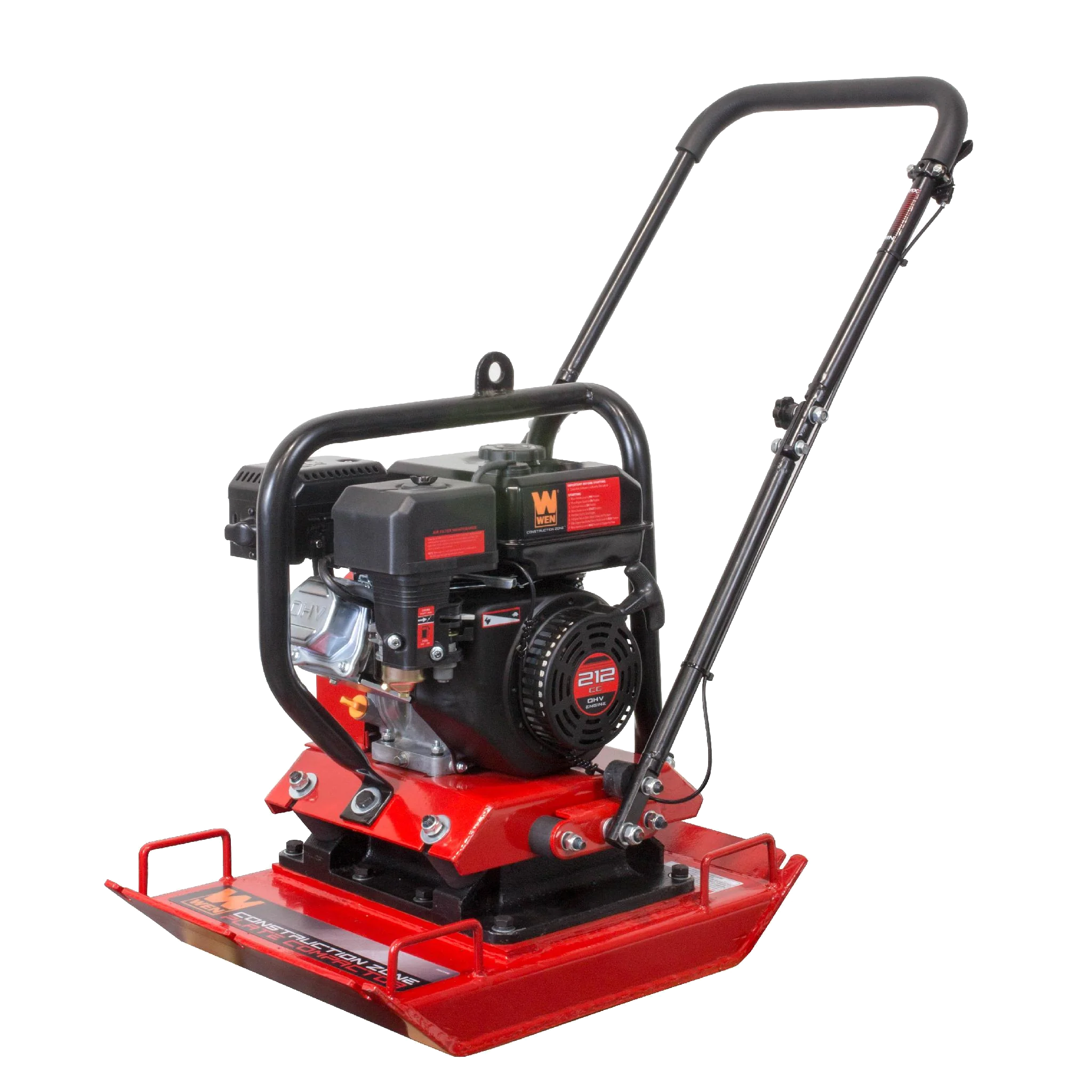
-
Compaction Force: 4,496 lbs
-
Horsepower: 7 HP
-
Engine: 212cc OHV 4-stroke
-
Plate Size: 14″ x 20″
-
Weight: 207 lbs
-
Key Features:
-
Swing-over handle for easy maneuverability around obstacles
-
Single-direction operation for straightforward use
-
EPA and CARB compliant for environmental standards
-
4,500 vibrations per minute (VPM) for efficient compaction
-
-
Why It’s Great for Artificial Turf:
-
The WEN 56035T delivers a robust compaction force of 4,496 lbs, well within the safe limit for artificial turf sub-bases, ensuring thorough compaction without risking damage.
-
Its swing-over handle allows operators to navigate around landscaping features like trees or borders, which is common in residential and commercial turf projects.
-
The powerful 7 HP engine and durable construction make it a reliable choice for repeated use, ideal for professionals or DIYers tackling larger installations.
-
Priced at approximately $651.99 (Home Depot), it offers excellent value for its performance.
-
Multiquip MVC88VTHW Plate Compactor
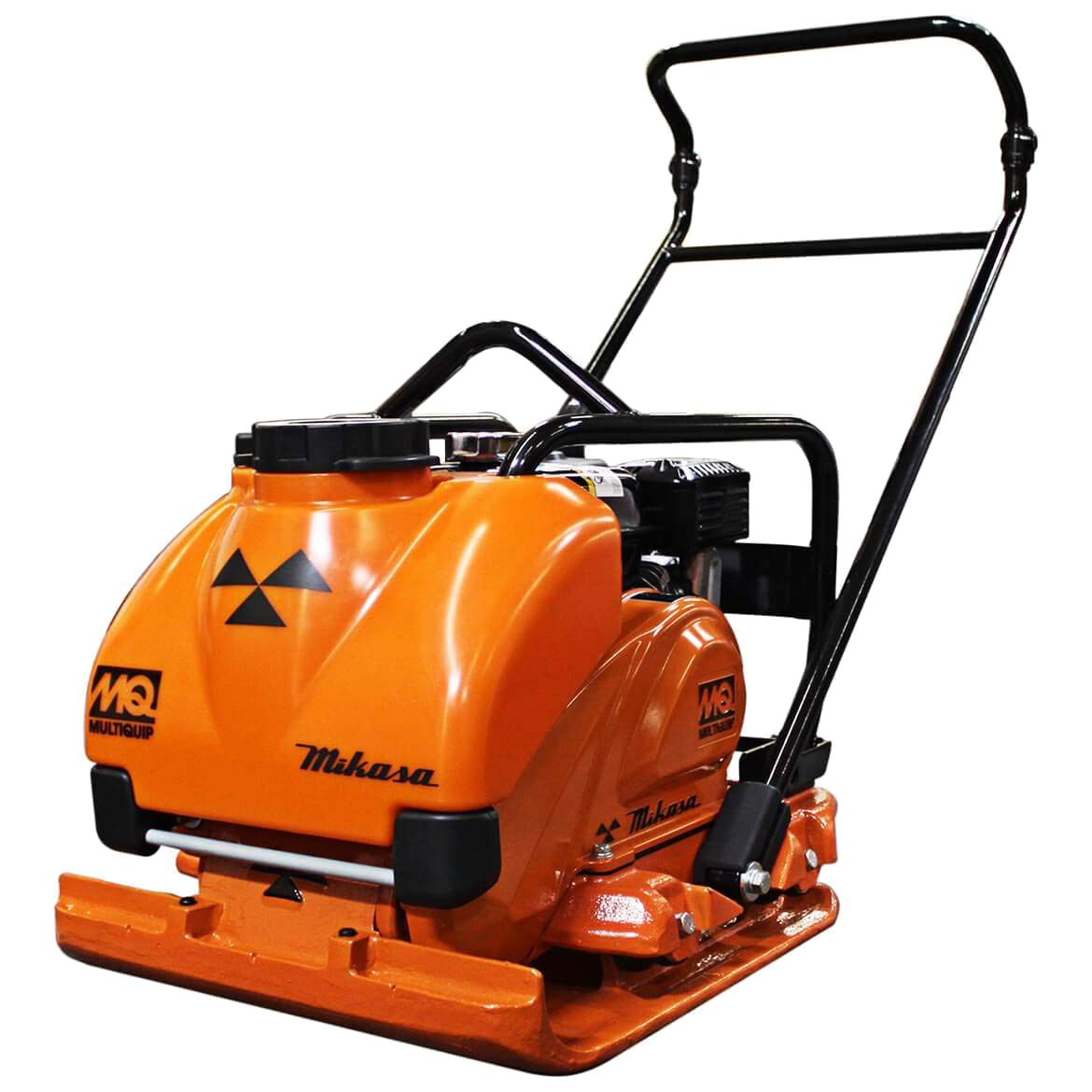
-
Compaction Force: 3,372 lbs
-
Horsepower: 4.8 HP (Honda GX160)
-
Plate Size: 19.7″ x 20.7″
-
Weight: 218 lbs
-
Key Features:
-
Advanced anti-vibration handle reduces operator fatigue by up to 50% compared to other models
-
Single cast baseplate enhances durability and lowers the center of gravity for faster travel speed
-
Hour/tachometer for monitoring runtime and engine RPM
-
Includes a wheel kit for easy transport and a 13.7-qt removable water tank for dust control
-
-
-
Why It’s Great for Artificial Turf:
-
The 3,372 lbs compaction force is ideal for artificial turf, providing sufficient power to compact sub-base materials while staying safely below the 5,000 lbs threshold.
-
The anti-vibration handle makes it comfortable for extended use, which is beneficial for larger turf installations or projects requiring multiple passes.
-
The water tank helps control dust during compaction, keeping the work area clean and reducing maintenance, which is particularly useful for outdoor landscaping projects.
-
Its robust design and Honda engine ensure long-term reliability, as noted by industry professionals (Multiquip).
-
Tomahawk Power TPC80H Plate Compactor
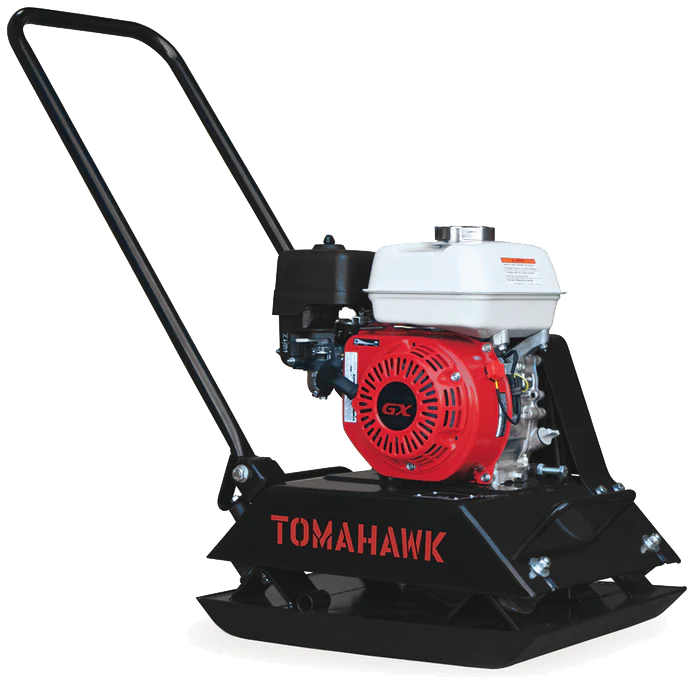
-
Compaction Force: 3,000 lbs
-
Horsepower: 5.5 HP (Honda GX160)
-
Plate Size: 17″ x 21″
-
Weight: Approximately 185 lbs
-
Key Features:
-
Cast iron base plate for durability and effective compaction
-
Forward-direction operation for straightforward use in linear applications
-
Suitable for cohesive and granular soils up to 22 inches deep
-
Backed by a 3-year engine warranty and 1-year product warranty
-
-
Why It’s Great for Artificial Turf:
-
At 3,000 lbs, the compaction force is gentle enough for artificial turf sub-bases, making it suitable for delicate materials when paired with a rubber pad.
-
Its lighter weight (approximately 185 lbs) makes it easier for solo operators or DIYers to handle, especially for smaller residential projects.
-
The reliable 5.5 HP Honda engine ensures efficient compaction, and its design is optimized for maneuvering in cramped spaces, as noted by Tomahawk Power.
-
Priced at around $1,530 (Home Depot), it’s a cost-effective option for both professionals and DIY enthusiasts.
-
Choosing the Right Plate Compactor for Your Turf Project
Selecting the right plate compactor for artificial turf installation involves several considerations to ensure optimal results:
-
Compaction Force: For artificial turf, a compaction force below 5,000 lbs is recommended to prevent damage to the sub-base or turf fibers. All four models listed above meet this criterion, with forces ranging from 3,000 to 4,496 lbs.
-
Ease of Use: Features like anti-vibration handles (Multiquip MVC88VTHW), swing-over handles (WEN 56035T), or lighter weight (Tomahawk Power TPC80H) reduce operator fatigue and improve maneuverability, especially for DIYers or those working in confined spaces.
-
Durability: Compactors with robust engines (e.g., Honda GX160) and sturdy base plates (e.g., cast iron or steel) ensure long-term reliability, which is essential for professionals handling multiple projects.
-
Project Size and Scope: For larger commercial installations, the WEN 56035T may be preferable due to their higher compaction forces and robust designs. For smaller residential projects, the Tomahawk Power TPC80H’s lighter weight and affordability make it an excellent choice.
-
Additional Features: Wheel kits (Multiquip and Tomahawk models) and water tanks (Multiquip MVC88VTHW) enhance portability and cleanliness, which are valuable for outdoor turf installations.
For DIYers visiting TurfInstall.com for guidance, the WEN offers an accessible entry point due to its lighter weight and lower cost. The Multiquip MVC88VTHW strikes a balance, offering advanced features like vibration reduction and dust control, making it versatile for various project sizes.
Tips for Using Plate Compactors in Artificial Turf Installation
To maximize the effectiveness of your plate compactor and ensure a flawless turf installation, consider the following tips from industry sources (Global Syn-Turf, Purchase Green):
-
Compact in Layers: Import and compact sub-base materials in 2-inch lifts to achieve at least 80% compaction, as recommended by experts (Synthetic Grass Warehouse). Overloading with thicker layers can compromise quality.
-
Use a Rubber Mat: To protect the sub-base and prevent excessive compaction, place a rubber mat or pad under the compactor’s plate, especially for delicate materials.
-
Moisture Control: Lightly moisten the sub-base to aid cohesion, but avoid over-saturation, which can reduce compaction effectiveness.
-
Use a Hand Tamper for Edges: For areas the plate compactor can’t reach, such as corners or slopes, use a hand tamper to ensure uniform compaction (Synthetic Grass Warehouse).
-
Regular Maintenance: Clean the compactor’s base plate to prevent material buildup, and check the engine regularly to maintain performance, especially for models like the Multiquip MVC88VTHW with sealed belt covers.
Tools & Materials
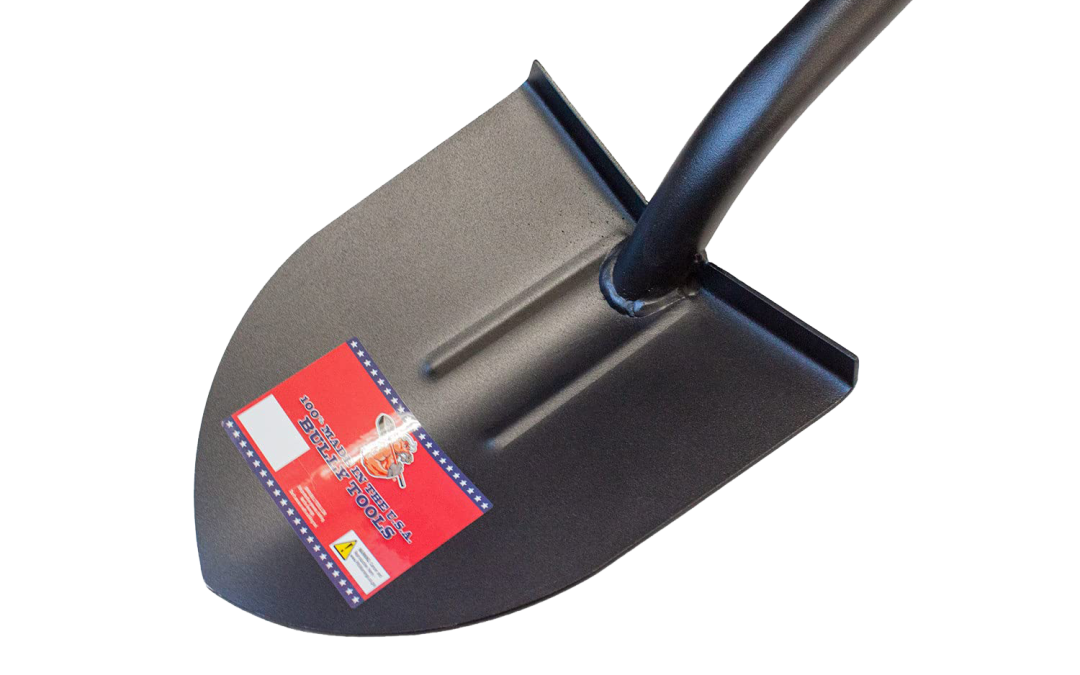
Top 10 Landscaping Shovels
Preparing your yard for artificial turf installation requires the right tools, and a high-quality shovel is essential for tasks like removing grass and spreading base materials, as outlined in the Private-Label Install Guide. At turfinstall.com, we recommend top shovels like the durable Bully Tools 12-Gauge Round Point Shovel for digging…
Top Sod Cutters
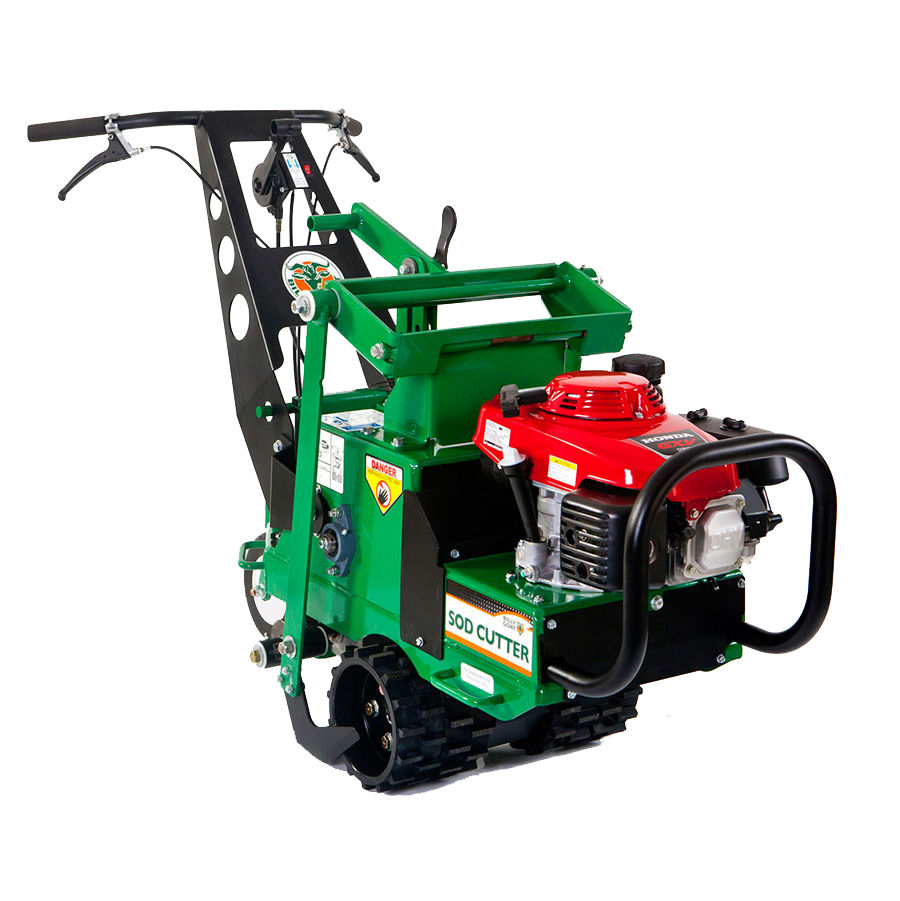
Preparing for an artificial turf installation starts with choosing the right sod cutter to create a smooth, level base. Our latest article at turfinstall.com reviews the top sod cutters for 2025, including the Classen PRO Hydro-Drive, Billy Goat SC181H, and KisCutter, highlighting their features and suitability for DIY and professional…
Best Wheelbarrows
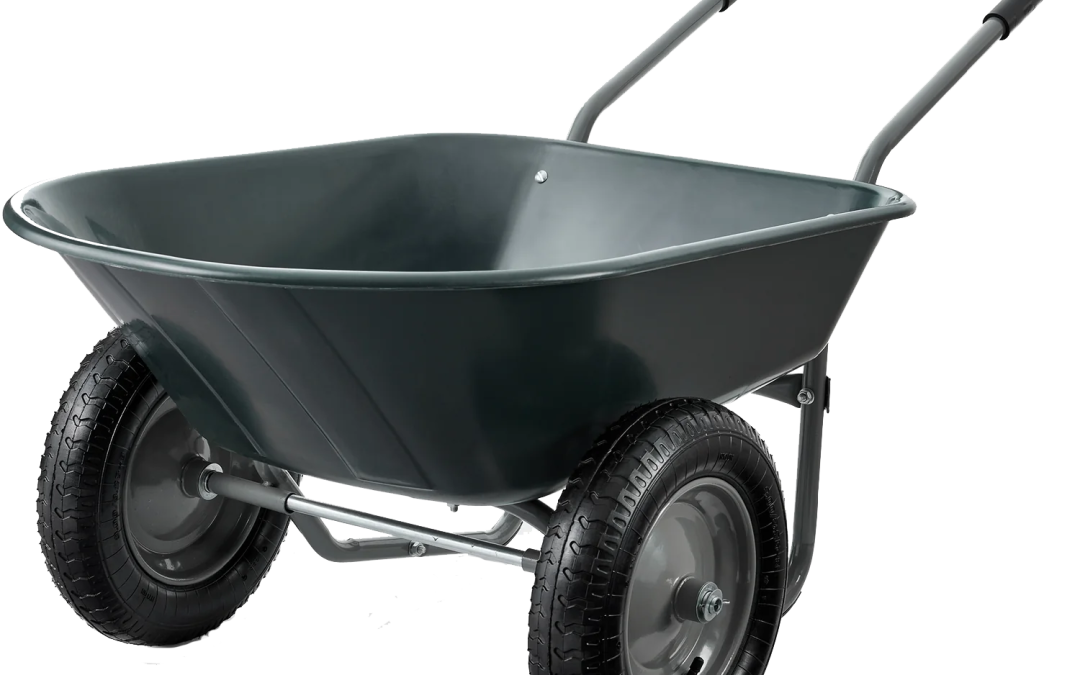
When selecting a wheelbarrow for artificial turf installation, prioritize high weight capacity, multi-wheel stability for uneven terrain, durable materials, and user-friendly features like comfortable handles or quick-release dumping. These factors ensure efficiency and ease during your project.
The Best Rakes
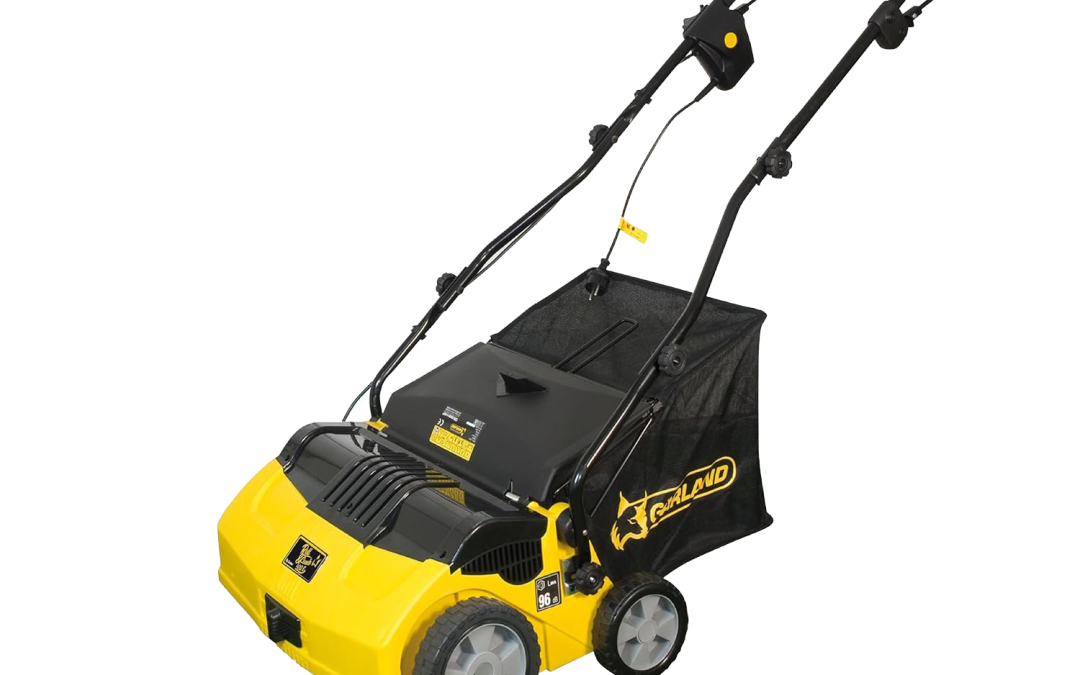
Choosing the right rake for your artificial turf project is vital for achieving a professional finish and maintaining long-term performance. From the versatile TurfHub Turf Rake to the powerful Duralawn Artificial Grass Power Rake, these tools cater to a range of needs, ensuring your turf stays pristine. Visit turfinstall.com for…
Best Garden Hoses
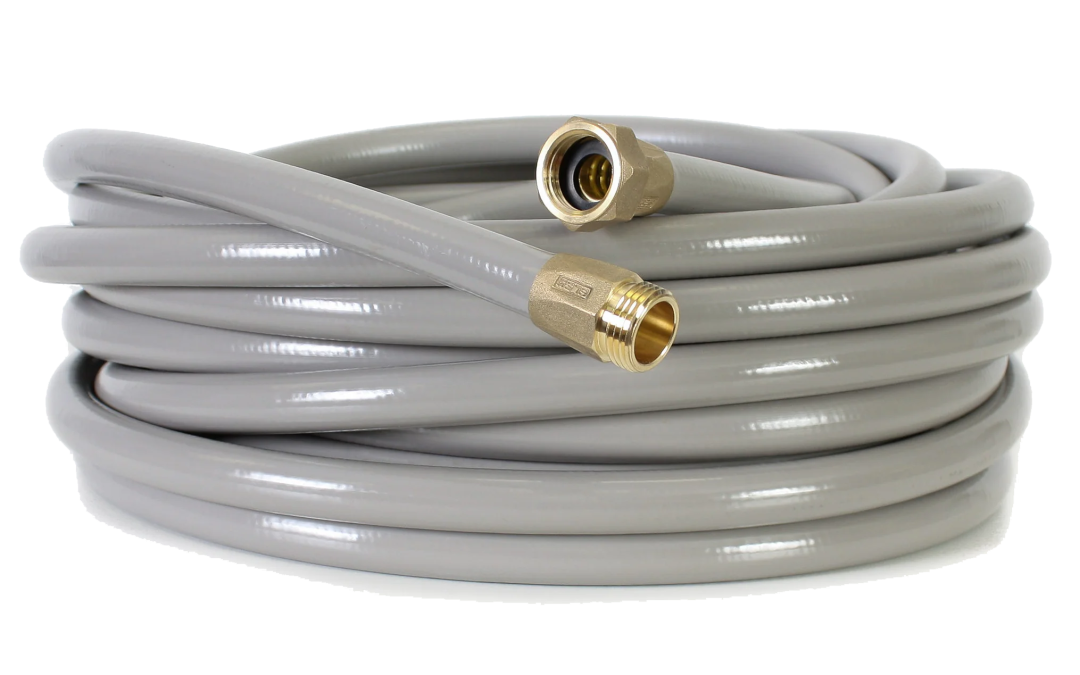
Investing in a high-quality garden hose is a small but significant step toward a successful artificial turf installation. By choosing a hose that matches your project’s size, terrain, and budget, you can ensure a smooth installation process, saving time and effort.
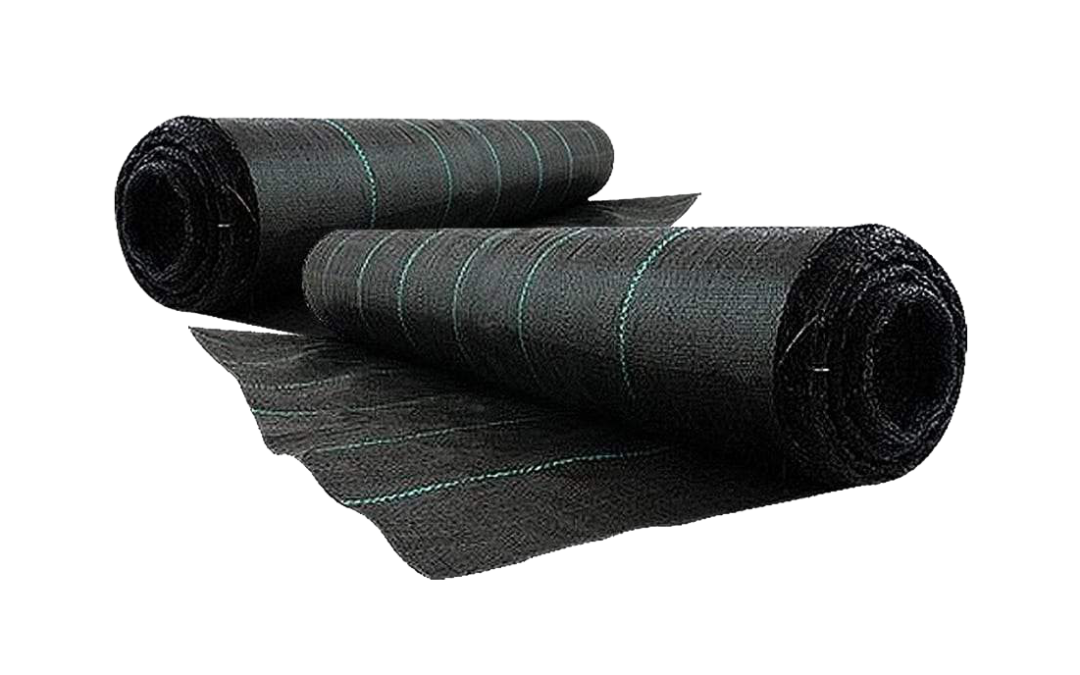
Top Weed Barrier Products
Selecting the right weed barrier is a critical step in achieving a weed-free, low-maintenance artificial turf installation. Whether you’re a homeowner tackling a DIY project or a contractor seeking professional-grade materials, these products provide reliable solutions to keep your turf looking its best.
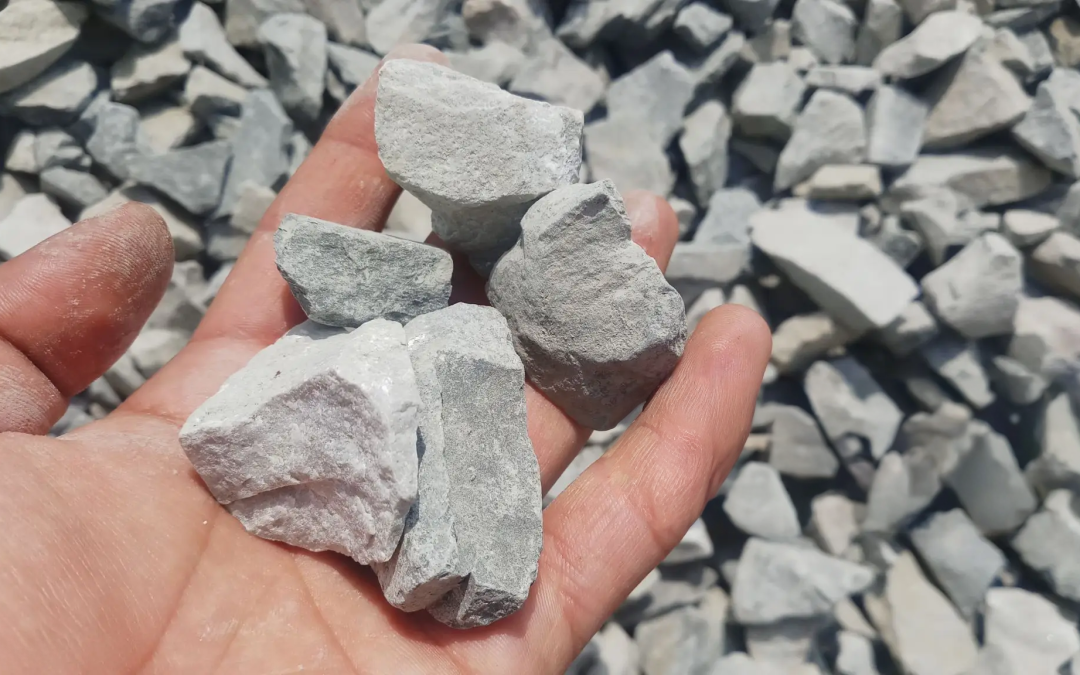
Base Materials for Artificial Turf Installation
Selecting the right base material for your artificial turf installation is a foundational step that impacts the performance, appearance, and durability of your synthetic lawn. Crushed Miscellaneous Base offers affordability for residential projects, Class II Road Base provides unmatched stability for high-traffic areas, and Decomposed Granite delivers a smooth, permeable…